
What Regulatory Documents Are Required When Purchasing Perfume Fragrance Oil from Suppliers?

When launching a perfume brand or manufacturing fragrances, choosing the right fragrance oil supplier is only half the job.
Equally important is ensuring that all regulatory and safety documents are in place before production, import, and market entry.
Many perfume startups and even experienced manufacturers ask:
“What certificates and documents should a fragrance oil supplier provide?”
This article explains exactly which regulatory documents are required, who is responsible for them, and when they should be issued — from a professional fragrance oil supplier’s perspective.
Why Regulatory Documents Matter in Perfume Manufacturing
Perfume fragrance oil is considered a chemical raw material and a regulated cosmetic ingredient in most global markets, including:
- EU & UK
- Russia & EAEU countries
- Middle East
- Southeast Asia
- North & South America
Without proper documentation, perfume brands may face:
- Customs clearance delays
- Rejected product registrations
- Non-compliant packaging labels
- Legal or safety risks
That is why regulatory compliance must be addressed before large-scale production or import.
Key Regulatory Documents Required from Fragrance Oil Suppliers
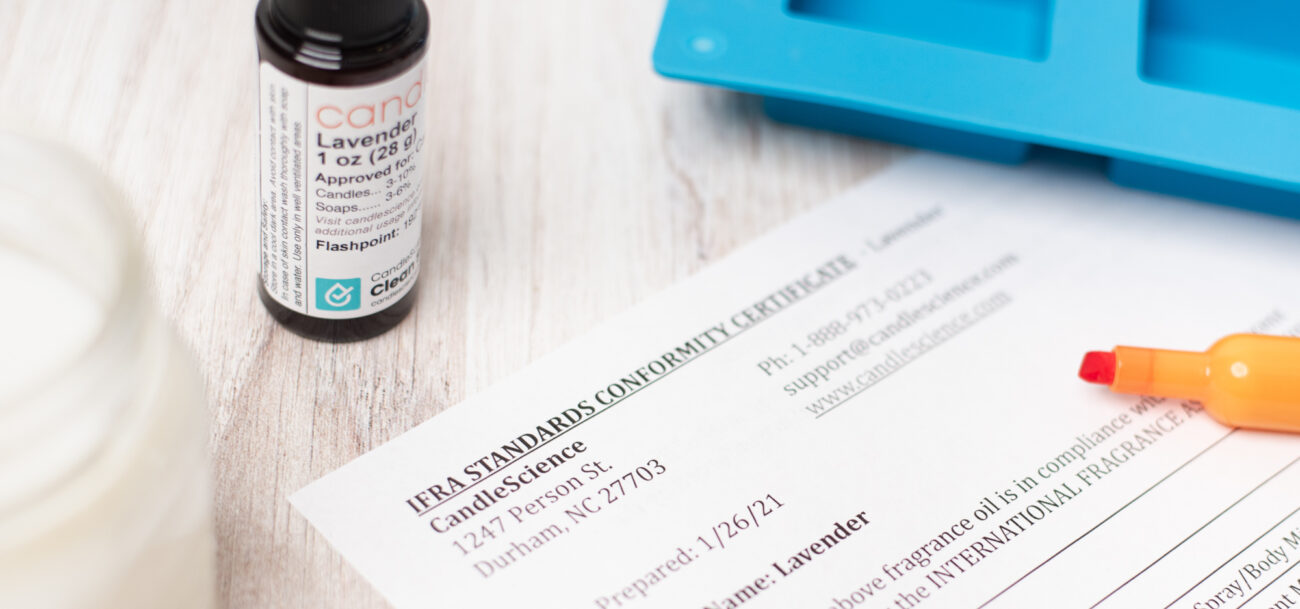
1. IFRA Certificate of Conformity
What it is:
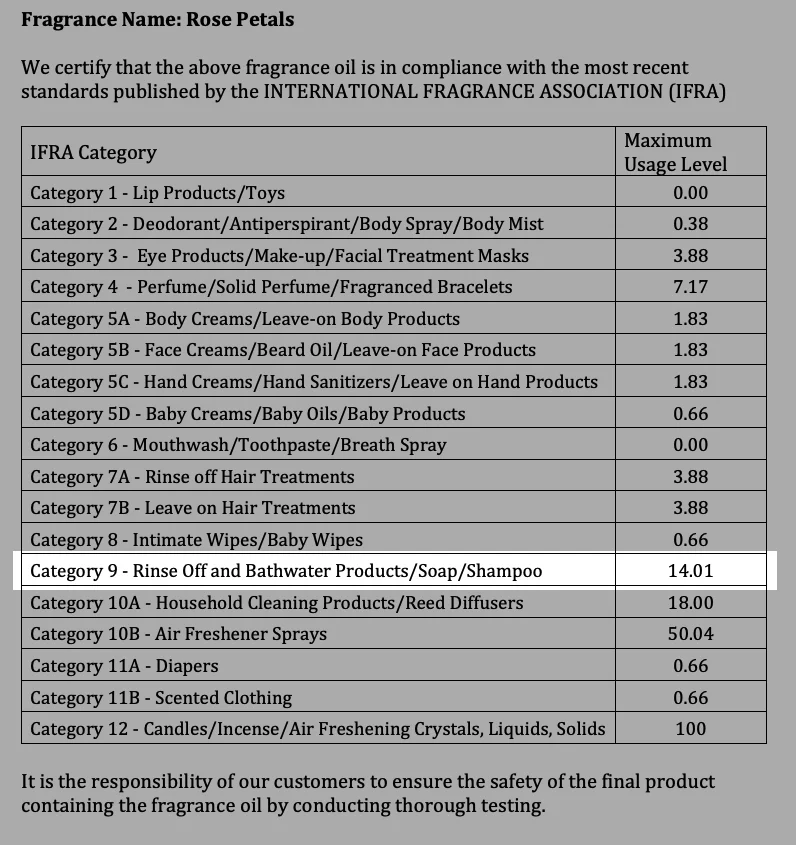
An IFRA Certificate confirms that a fragrance oil complies with the International Fragrance Association (IFRA) Standards, which regulate the safe use of fragrance ingredients.
Why it is required:
- Mandatory for cosmetic safety assessments
- Required for most international markets
- Ensures the fragrance oil is safe at specific usage levels
Who provides it:
✅ Fragrance oil supplier
What it includes:
- Fragrance name or code
- Applicable IFRA amendment version
- Product category (Fine Fragrance)
- Maximum allowed dosage
2. Allergen Declaration (IFRA Allergens)
What it is:
A document listing IFRA-regulated allergens present in the fragrance oil and their respective percentages.
Why it is required:
- Used to calculate allergen content in the finished perfume
- Determines which allergens must be declared on packaging
- Required for label compliance in many countries
Important rule:
Allergens must be declared on the finished product label only if they exceed 0.1% in the final perfume.
Who provides it:
✅ Fragrance oil supplier
Who uses it:
- Perfume manufacturers
- Regulatory consultants
- Packaging designers
3. Safety Data Sheet (SDS)
What it is:
A Safety Data Sheet provides information on:
- Chemical composition
- Safe handling and storage
- Health and environmental hazards
- Emergency procedures
Why it is required:
- Mandatory for chemical raw materials
- Required for factory safety management
- Often requested during customs inspection
Who provides it:
✅ Fragrance oil supplier
📌 Even if the fragrance oil is not sold directly to consumers, an SDS is still legally required.
Who Is Responsible for Which Documents?
Understanding responsibility avoids confusion and delays.
| Document | Fragrance Oil Supplier | Perfume Manufacturer |
|---|---|---|
| IFRA Certificate (fragrance oil) | ✅ | ❌ |
| Allergen Declaration | ✅ | ❌ |
| Fragrance Oil SDS | ✅ | ❌ |
| Finished Perfume Compliance | ❌ | ✅ |
| Finished Product Labeling | ❌ | ✅ |
| Cosmetic Registration | ❌ | ✅ |
When Are These Documents Issued?
A common misunderstanding among buyers is expecting full regulatory documents before an official order is confirmed.
Industry Practice:
- Regulatory documents are prepared after:
- Final fragrance selection
- Confirmed usage level
- Official purchase order
Why?
- Certificates are formula-specific
- Documents contain confidential composition data
- Issuing them without confirmed cooperation poses intellectual property risks
A professional fragrance oil supplier will:
- Explain documentation clearly during the inquiry stage
- Provide full compliance files after order confirmation
- Support buyers during labeling and regulatory review
How to Write the Ingredient List on Perfume Packaging
In most markets, the standard format is:
Alcohol Denat., Parfum, Aqua
If applicable, add:
- IFRA allergens only if they exceed 0.1% in the finished perfume
The final allergen list is calculated using:
- Fragrance oil allergen declaration
- Actual fragrance dosage (e.g. 15–20%)
Choosing a Reliable Fragrance Oil Supplier
When sourcing perfume fragrance oil, look for suppliers who:
- Understand international cosmetic regulations
- Provide IFRA, allergen, and SDS documentation
- Offer clear compliance guidance
- Protect client confidentiality
- Support long-term brand growth
At Guangzhou Shengyi Chemical Technology Co., Ltd., we specialize in supplying perfume fragrance oils for global brands, with full regulatory support once official cooperation is confirmed.
Final Thoughts
Regulatory documentation is not just paperwork — it is the foundation of:
- Safe perfume manufacturing
- Smooth customs clearance
- Legal market entry
- Brand credibility
Understanding what documents are required and when helps perfume brands avoid costly mistakes and move forward with confidence.
If you are planning to purchase fragrance oil for perfume production, working with a compliance-experienced supplier is essential.